November 21, 2026
Headlights, but no dashboard: the endoscopy unit when every procedure becomes da...
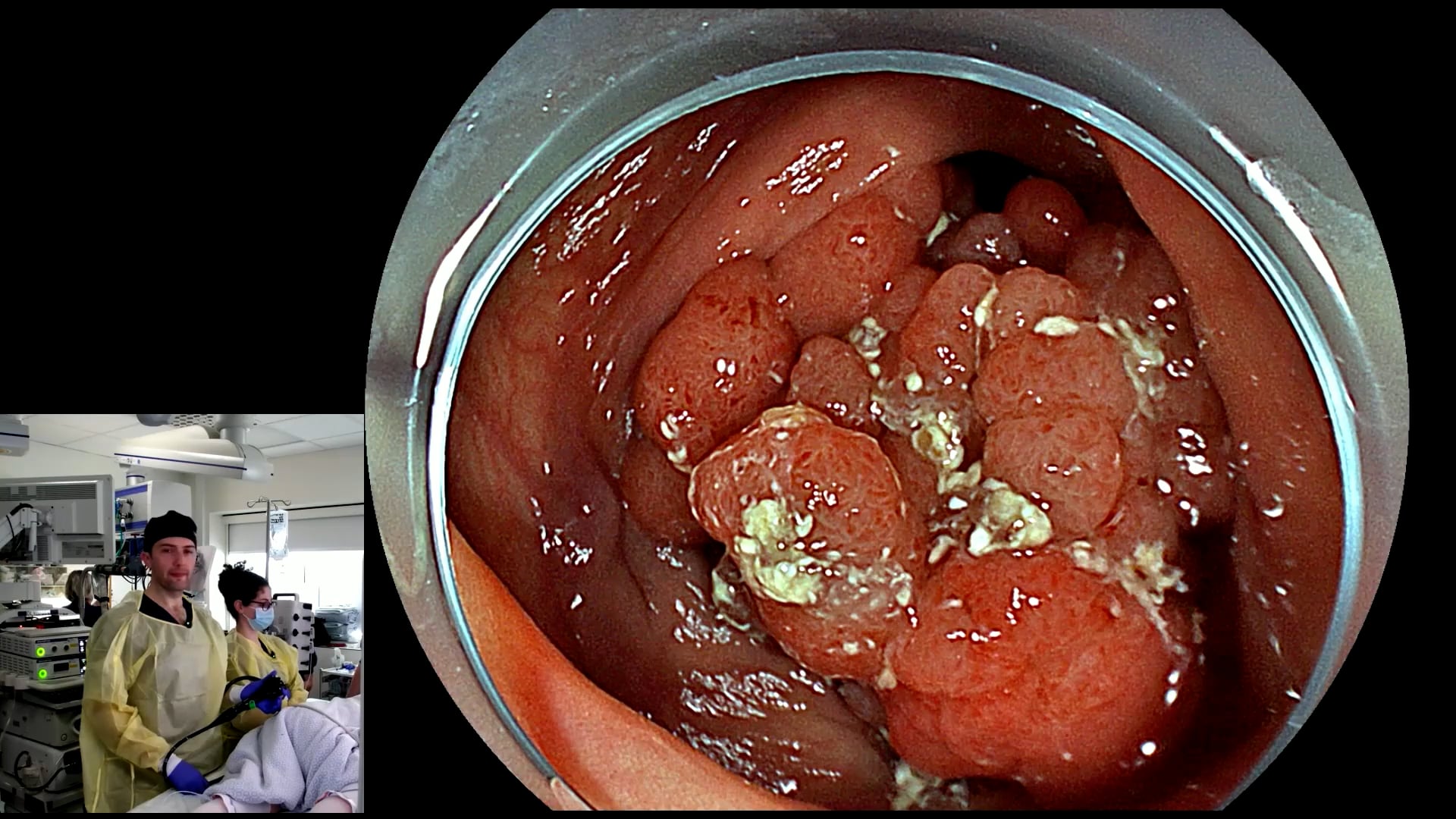
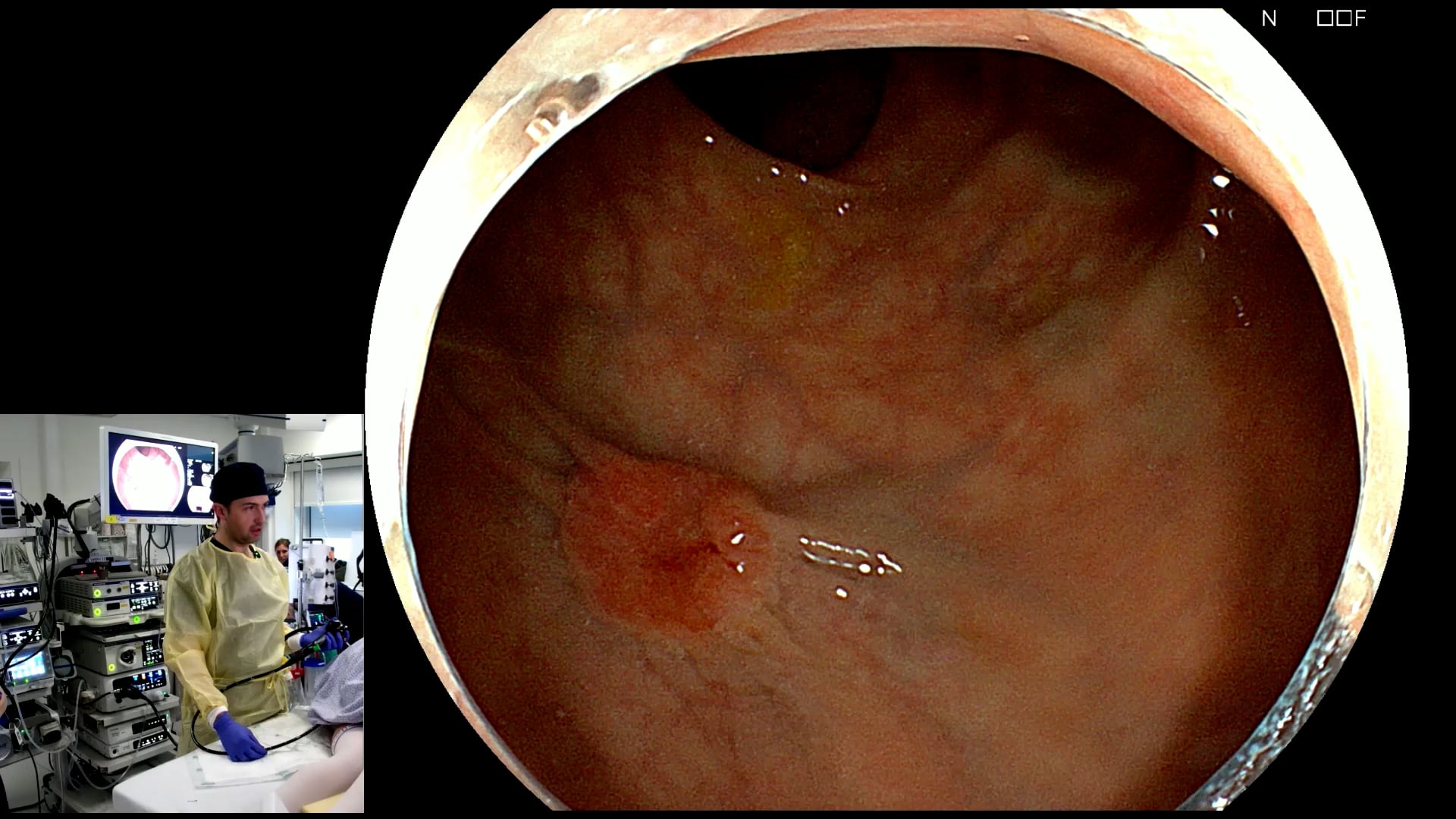
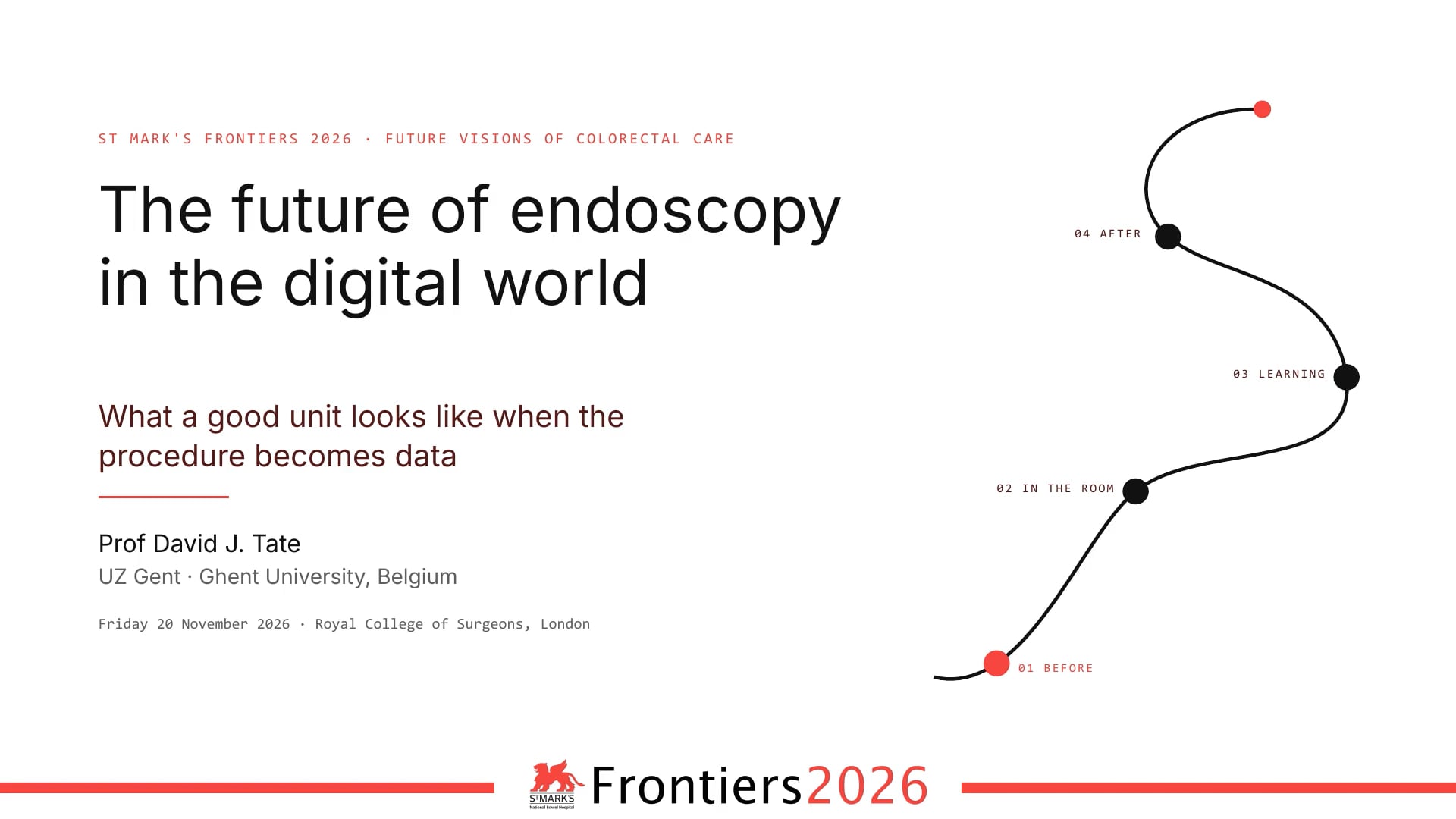
At St Mark's Frontiers 2026 in London, in the session "Future visions of colorectal care", Prof David Tate (UZ Gent) asked what a good endoscopy unit looks like when every procedure becomes data. The talk follows one patient through the four parts of a unit described by ESGE and UEG: before the scope, in the room, learning, and after. At each stop it places one digital tool, always as an assist to the physician. The central argument is that detection is not the same as recording. CADe raises adenoma detection, but it saves nothing, benchmarks nothing and tells no one how they are performing. In the talk's analogy, it is a car with headlights but no dashboard. Recording comes first, and the rest of the talk shows what becomes possible once it does: bleeding that can be counted, competence that can be assessed from video, ergonomics read from the room camera, and feedback that reaches each endoscopist. The talk closes on an open question for the field: if every procedure were recorded, who should see the numbers?
At St Mark's Frontiers 2026 in London, in the session "Future visions of colorectal care", Prof David Tate (UZ Gent) asked what a good endoscopy unit looks like when every procedure becomes data. The talk follows one patient through the four parts of a unit described by ESGE and UEG: before the scope, in the room, learning, and after. At each stop it places one digital tool, always as an assist to the physician. The central argument is that detection is not the same as recording. CADe raises adenoma detection, but it saves nothing, benchmarks nothing and tells no one how they are performing. In the talk's analogy, it is a car with headlights but no dashboard. Recording comes first, and the rest of the talk shows what becomes possible once it does: bleeding that can be counted, competence that can be assessed from video, ergonomics read from the room camera, and feedback that reaches each endoscopist. The talk closes on an open question for the field: if every procedure were recorded, who should see the numbers?